In a world where almost every gadget listens, tracks, and collects, privacy has become the new luxury. Smartphones record our movements, smart speakers hear our conversations, and even fitness trackers analyze our sleep patterns. Convenience has come at the cost of invisibility — our digital lives are constantly being observed.
But a new wave of designers, engineers, and privacy advocates is fighting back. They’re reimagining technology through a philosophy called Privacy by Design — the idea that privacy shouldn’t be an afterthought but a core principle built into devices from day one. These are the gadgets that don’t spy on you — tools that empower users without turning them into data points.
What Privacy by Design Really Means
Privacy by Design (PbD) started as a regulatory concept in the 1990s, developed by Canadian privacy expert Dr. Ann Cavoukian. The principle is simple: systems and products should be engineered to protect privacy by default, not rely on users to dig through settings to opt out of surveillance.
Today, that philosophy has moved beyond policy documents into actual products. Instead of harvesting data for profit, these new devices operate with minimal tracking, local data storage, and transparent architecture. In a sense, they’re a rebellion against “surveillance capitalism” — the business model that monetizes user behavior.
The Problem With Smart Devices
Modern gadgets promise smart features, but many come at a hidden cost. Smart TVs record viewing habits. Voice assistants upload voice snippets to the cloud. Even children’s toys sometimes connect to the internet, logging conversations and location data.
The issue isn’t just data collection — it’s data permanence. Once uploaded, your personal information can be analyzed, sold, or breached. And with billions of connected devices worldwide, the potential exposure is staggering.
Privacy by Design challenges that assumption. It asks: What if gadgets could still be smart — without being invasive?
The Rise of Privacy-First Gadgets
Some manufacturers are already leading this quiet revolution.
- The Light Phone II strips away all unnecessary features — no social media, no tracking, just calls, texts, and a simple music player. It’s designed to help users disconnect, not gather metrics on their behavior.
- Purism’s Librem 5 smartphone runs on open-source software and physically disables its microphone, camera, and Wi-Fi through hardware switches.
- E-Paper tablets like the reMarkable 2 focus on writing and reading, without constant notifications or cloud syncing by default.
Even smart home devices are evolving. Privacy-first security cameras like Arlo and Eufy offer local video storage rather than cloud uploads, ensuring footage never leaves your home network. And the open-source Home Assistant platform allows users to control smart homes without sending data to corporate servers.
These examples show that privacy doesn’t have to mean going completely offline — it just means designing technology that respects your boundaries.
Local Is the New Cloud
One of the biggest shifts in privacy-friendly gadget design is the move away from centralized cloud systems. Instead of sending everything to remote servers, devices now process data locally — right on the gadget itself.
This approach reduces latency, increases security, and gives users full ownership of their information. For example, new-generation AI voice assistants like Mycroft or Almond process commands locally, meaning your voice never leaves the device. Similarly, modern photo storage hubs let you manage your library without uploading to corporate servers.
Even communication tools are embracing local-first or encrypted models. Private messaging apps, decentralized networks, and independent cloud alternatives all reflect a growing desire for autonomy. Whether it’s encrypted note-taking apps or privacy-safe browsers, the pattern is clear: users are reclaiming control.
Why Big Tech Is Starting to Care
Ironically, even major tech companies are beginning to adopt some privacy-first principles. Apple, for instance, now markets privacy as a feature, adding on-device processing for Siri and mail protection tools. Google’s Android has introduced sandboxed permissions and clearer app tracking transparency.
While these changes are partly driven by regulation — such as the EU’s GDPR and California’s CCPA — consumer demand plays an even bigger role. Surveys consistently show that people are willing to trade convenience for privacy if given the choice. In other words, the market is finally catching up with the conscience.
The Human Element: Trust as a Feature
In the digital age, trust has become one of the most valuable currencies. A device that doesn’t spy on you immediately feels more human. When users know their photos, messages, or health data aren’t being mined, they use technology differently — more intentionally, and with less anxiety.
That’s what Privacy by Design truly offers: not just better security, but peace of mind. It’s technology that earns trust instead of assuming it. And as the tech landscape grows more invasive, trust will define which companies survive.
Digital Minimalism Meets Privacy
Privacy-first gadgets fit perfectly within the broader movement of digital minimalism — using technology deliberately rather than compulsively. Minimalist devices strip away distractions and respect time as much as privacy.
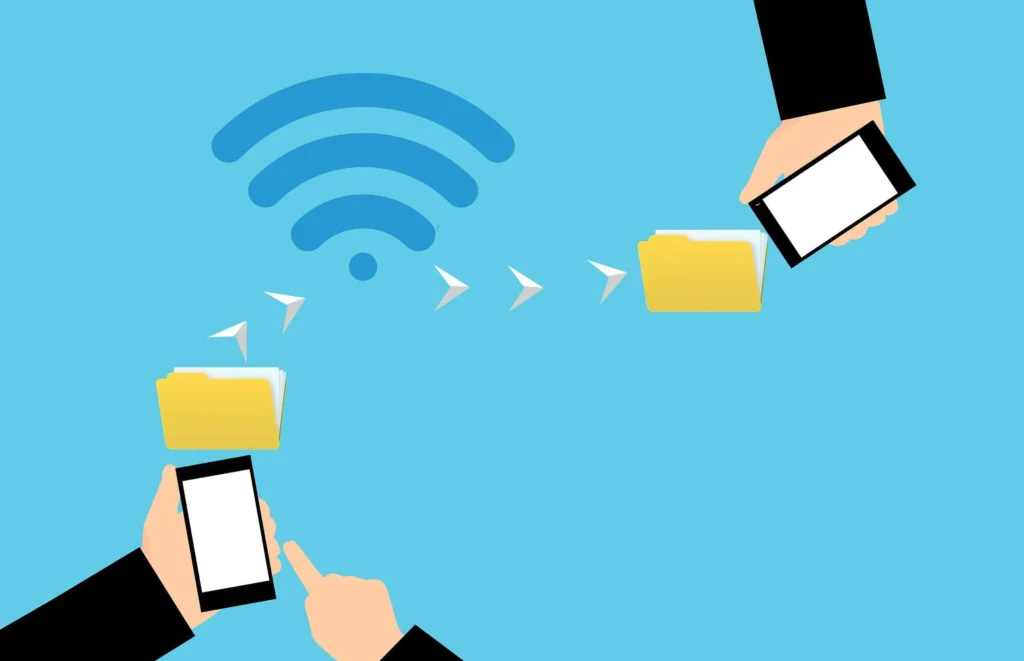
Even online, users are seeking platforms that mirror this philosophy. Choosing tools that don’t over-collect — such as a secure file share website that doesn’t store user data indefinitely — reflects the same mindset as buying privacy-first hardware. Both actions signal a shift toward mindful tech use, where efficiency and privacy coexist.
The Road Ahead
The privacy revolution is still young, but it’s accelerating fast. Expect to see more hardware startups challenging traditional models — from privacy-first wearables that track fitness without sharing data, to laptops designed for total offline control.
In the near future, privacy may not be a “premium feature” at all, but a standard expectation — like safety in a car. As regulation tightens and consumer awareness grows, manufacturers will need to design with privacy in mind from the start.
And for users, it begins with one question: Does this device serve me — or surveil me?
Conclusion: The New Definition of Smart
Smart shouldn’t mean intrusive. It should mean efficient, respectful, and empowering. The next generation of technology is proving that we don’t have to sacrifice innovation for privacy — we can have both.
From minimalist phones to offline-first assistants, the best gadgets of the future won’t just be smart; they’ll be silent companions that work for us, not on us.
Privacy by Design isn’t just a trend — it’s a manifesto for the tech world’s next chapter.