Not every app needs to change the world. Some just need to work — quietly, reliably, and without drawing attention. While the tech spotlight shines on flashy AI chatbots, creative tools, or viral social media platforms, it’s the “boring” apps that keep our digital lives running smoothly.
From calendar managers to scanners, file utilities, and password keepers, these unsung heroes power the routines that make modern technology functional. They’re not designed to entertain, but to enable. And as users grow weary of cluttered interfaces and endless subscriptions, the appeal of simple, stable software is stronger than ever.
The Quiet Backbone of Digital Life
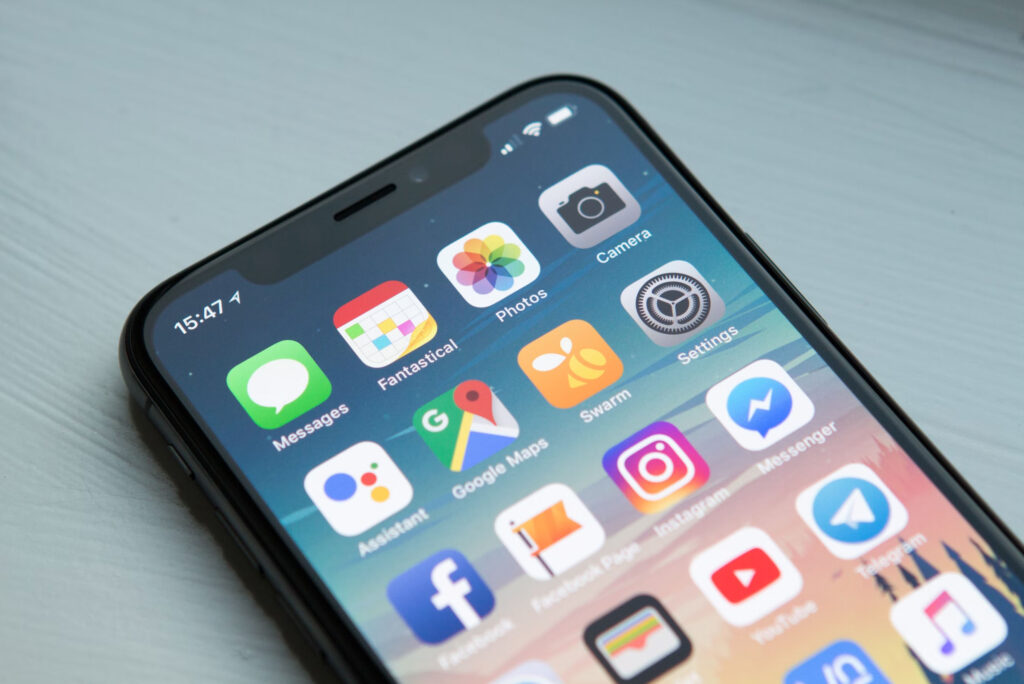
Every smartphone or computer is packed with apps that most of us barely notice — until we need them. The calculator, the notes app, the clock, the weather widget, the file manager — they’re often taken for granted. Yet, without them, productivity would collapse.
These apps don’t brag about innovation. They don’t flood you with notifications or track your every move. They just perform essential tasks: converting files, renaming photos, scanning documents, or syncing folders. They’re the connective tissue between complex systems, the tools that make all other apps usable.
In an era where every app wants your data and your attention, these modest tools feel refreshing. They don’t demand loyalty — only utility.
Why “Boring” Is the New Smart
Tech culture has long equated excitement with innovation. New apps boast bold features and futuristic design, promising to “redefine” everything from note-taking to messaging. But the reality is that people don’t always want disruption. They want dependability.
A “boring” app is often the product of thoughtful design. It respects time, privacy, and simplicity. Think of Notepad, the simplest of writing tools — it loads instantly, saves locally, and never crashes. Or the native Files app on most devices — it might not look fancy, but it’s the most-used utility on nearly every system.
This reliability builds trust. Unlike flashy startups that vanish after a year, these grounded tools endure. They evolve slowly, often maintained by small, dedicated teams who care more about function than hype.
Utility Over Aesthetics
We tend to praise beautiful design, but utility design — functional, minimal, task-focused — deserves more credit. Great utility apps excel because they do one thing perfectly.
A good scanning app, for example, doesn’t need filters or fancy graphics. It just captures a document, crops it cleanly, and saves it in the right format. A reliable password manager isn’t exciting, but it’s a lifesaver when logging into dozens of platforms every week.
Similarly, apps that let users send large files securely and without friction don’t make headlines — but they’re indispensable. Whether transferring creative projects, documents, or backups, these quiet utilities solve real problems efficiently. No drama, no tracking, no noise — just functionality that works.
Minimalism as a Feature
As our digital lives grow more crowded, minimalism in software has become a selling point. Many users now seek apps that don’t demand attention — apps that load fast, work offline, and use minimal storage or data.
The rise of “single-purpose” and “micro” apps reflects this shift. Tools like simple task trackers, offline writing apps, and distraction-free browsers cater to people tired of bloated platforms. Instead of trying to do everything, they excel at doing one thing cleanly.
Minimalist apps are also greener — less code, less bandwidth, and fewer server calls mean lower energy consumption. In a subtle way, “boring” software is also sustainable software.
Why Big Tech Is Relearning Simplicity
Even major tech companies are beginning to rediscover the value of simplicity. Google’s “lite” versions of its core apps, Apple’s focus on native utilities, and Microsoft’s renewed push for offline functionality show that practicality sells.
In fact, many of the world’s most-used apps are technically “boring.” The Notes app on iPhones, Windows Explorer, and Gmail’s core interface haven’t changed much in years — and users love that. Familiarity and predictability are underrated virtues in a digital world that constantly reinvents itself.
This trend also connects to digital wellness. Fewer notifications, less visual clutter, and stable offline access contribute to calmer, more focused user experiences. Boring apps make technology feel manageable again.
The Indie Advantage
Independent developers have leaned into this “boring revolution.” Small teams are building practical, privacy-friendly alternatives to mainstream apps. These indie tools often run locally, store data securely, and avoid ads or invasive analytics.
Users increasingly value transparency and honesty — qualities that big corporations sometimes overlook. A simple app that respects privacy can outperform a powerful one that feels exploitative.
The result is a resurgence of trust-driven development. Developers are learning that reliability, not virality, creates longevity.
Embracing the Boring Future
The next big thing in apps might not be big at all — it might be invisible. As automation, AI, and system integrations grow smarter, many apps will fade into the background, doing their jobs quietly while users focus on creativity and life.
In that sense, “boring” doesn’t mean basic. It means mature. It means software that’s evolved past the need to shout for attention. Like plumbing or electricity, the best technology becomes invisible when it’s working perfectly.
Conclusion: The Beauty of Quiet Reliability
Not every app needs to inspire excitement — some just need to earn trust. The hidden power of boring apps lies in their consistency, simplicity, and humility. They prove that good design isn’t about being loud or flashy; it’s about solving real problems with elegance and restraint.
In a noisy digital world, the most powerful software may be the kind you never think about — until the moment you need it most.