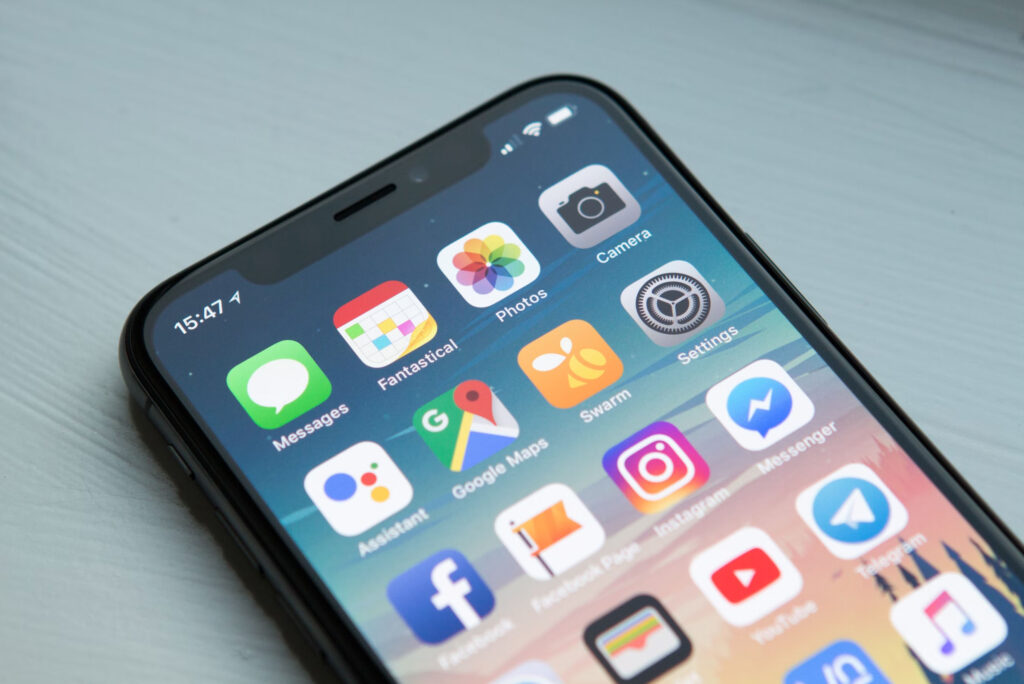
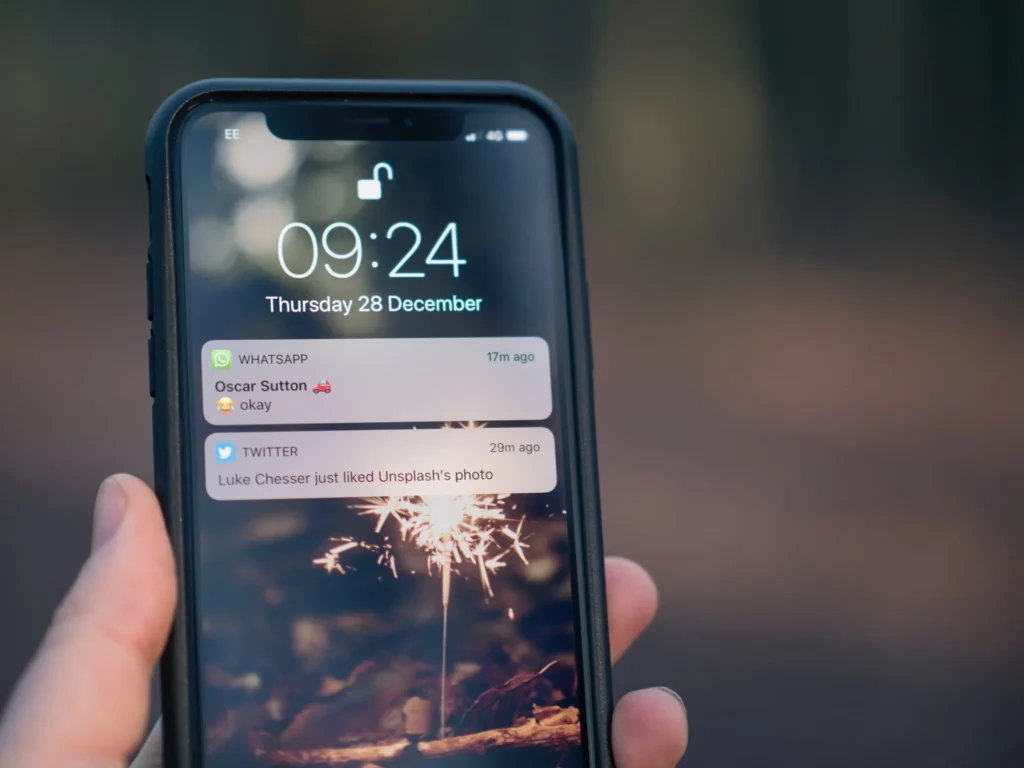
App notifications were originally designed to be helpful. They alerted us when a message arrived, when a task was completed, or when something genuinely required our attention. Early on, notifications felt purposeful — a small digital tap on the shoulder rather than a constant interruption. But over time, that balance shifted.
Today, notifications are no longer just signals; they are strategies. Many apps are built around engagement metrics that reward frequent interaction, not meaningful use. Notifications became the easiest way to pull users back in, regardless of whether the interruption added value. The result is an environment where attention is constantly fragmented, and focus is treated as an obstacle rather than a goal.
This conditioning reaches even the most routine digital actions. Whether you’re collaborating with a team, managing documents, or trying to transfer large files online, notifications often insert themselves into workflows that once required sustained focus. What should be a straightforward task now comes with pop-ups, confirmations, badges, and follow-ups — each one training us to react instead of think.
Notifications as Behavioral Training
Notifications don’t just interrupt us; they train us. Every buzz, banner, or badge reinforces the idea that something else deserves our attention right now. Over time, this conditions users to expect interruption and to respond immediately when it happens.
This is classic behavioral reinforcement. Variable timing, vague urgency, and visual cues create a loop where users feel compelled to check, even when nothing important is happening. Eventually, the presence of notifications reshapes how we work, encouraging shallow engagement over deep concentration.
The Shift From Utility to Engagement
At some point, notifications stopped being about usefulness and started being about retention. Apps learned that even neutral or low-value alerts could increase daily active users. A reminder that “something changed” or that you “might have missed this” is often enough to trigger a check-in.
The problem is that these alerts rarely respect context. They don’t know if you’re thinking deeply, writing, problem-solving, or resting. They only know that interrupting you increases the chance of interaction — and that’s often all that matters.
Constant Interruption as the Default State
As notifications became more frequent, interruption became normalized. Many people now work with an always-on layer of alerts hovering over their attention. Even when notifications are silenced, the habit remains. We check apps proactively, anticipating updates that may not exist.
This creates a subtle but persistent anxiety: the feeling that something is always waiting, always updating, always demanding a response. Focus becomes fragile, easily broken by the expectation of interruption rather than the interruption itself.
The Cost to Deep Thinking
Deep thinking requires continuity. It depends on staying with an idea long enough to explore its complexity. Notifications disrupt that continuity by forcing context switches, even if only for a few seconds.
Research consistently shows that recovering from an interruption takes longer than we expect. A quick glance at a notification can derail a train of thought entirely. Over time, this trains the brain to avoid deep focus because it feels inefficient or uncomfortable.
Why We Rarely Turn Notifications Off
If notifications are so disruptive, why don’t more people disable them entirely? Part of the reason is fear. We worry about missing something important, being unresponsive, or falling behind. Apps exploit this fear by framing notifications as essential rather than optional.
Another reason is habit. Notifications are often enabled by default, and over time, they blend into the background of daily life. We stop questioning whether we need them and instead adapt our behavior around them.
The Illusion of Responsiveness
Notifications create the appearance of productivity. Responding quickly feels like progress, even when it isn’t. A fast reply can feel more satisfying than slow, thoughtful work because it offers immediate closure.
This reinforces a cycle where responsiveness is rewarded over quality. Being available becomes more important than being effective, and attention becomes a resource to be spent rather than protected.
Apps That Respect Attention Feel Different
Not all apps rely on aggressive notifications. Some are intentionally quiet, sending alerts only when absolutely necessary. These apps often feel calmer, more trustworthy, and easier to use long-term.
They assume that the user is capable of managing their own time. Instead of demanding attention, they wait for it. This design philosophy supports focus rather than undermining it.
Reclaiming Control From Notifications
Breaking the notification habit doesn’t require abandoning technology altogether. It starts with intentional choices: disabling non-essential alerts, batching communication, and choosing apps that don’t equate silence with failure.
Reclaiming attention is less about discipline and more about environment. When notifications stop interrupting, focus becomes the default again rather than something that has to be constantly defended.
What This Means for the Future of Apps
As awareness grows around burnout and digital fatigue, notification design is becoming a critical differentiator. Apps that continue to prioritize constant engagement may struggle to retain users long-term.
The next generation of successful apps may not be louder or faster — they may simply be quieter. Respecting attention could become a competitive advantage rather than a limitation.
Final Thoughts
App notifications didn’t just make us distracted; they trained us to expect distraction. Over time, they reshaped how we think, work, and prioritize attention. Undoing that training requires both better software design and more intentional use.
Focus isn’t something we’ve lost — it’s something that’s been interrupted. And with the right boundaries, it can be rebuilt.