Minimalism in technology isn’t about owning nothing; it’s about owning less — and owning better. For people who hate clutter, every extra cable, blinking light, or unused feature feels like friction. The goal isn’t to fill your space with gadgets, but to choose tools that simplify your environment and quietly earn their place in your daily life.
The problem is that much of modern tech does the opposite. Many gadgets promise convenience but arrive with bulky designs, tangled cords, companion apps, and constant notifications. Instead of reducing mental and physical clutter, they add to it. Minimalist gadgets take a different approach: they focus on one job, do it well, and stay out of the way when you’re not using them.
File sharing is a good example of where clutter can become digital instead of physical. Sending large files often means juggling links, accounts, and expiration notices. Many people rely on services like WeTransfer, but a cleaner approach is choosing a WeTransfer alternative that prioritizes simplicity, privacy, and fewer steps. When digital workflows are streamlined, they reduce the same kind of cognitive clutter that piles of unused gadgets create on a desk or in a bag.
What Makes a Gadget Truly Minimalist?
A minimalist gadget isn’t just small or stylish — it’s intentional. It removes more problems than it introduces. The best minimalist tools often have fewer buttons, fewer settings, and fewer reasons to pull out your phone. They respect your space and your attention.
Design matters here, but so does function. A minimalist gadget should integrate naturally into your routine. If you have to constantly manage it, charge it, or troubleshoot it, it’s not minimalist — it’s just compact clutter.
Multi-Purpose Gadgets That Replace Several Items
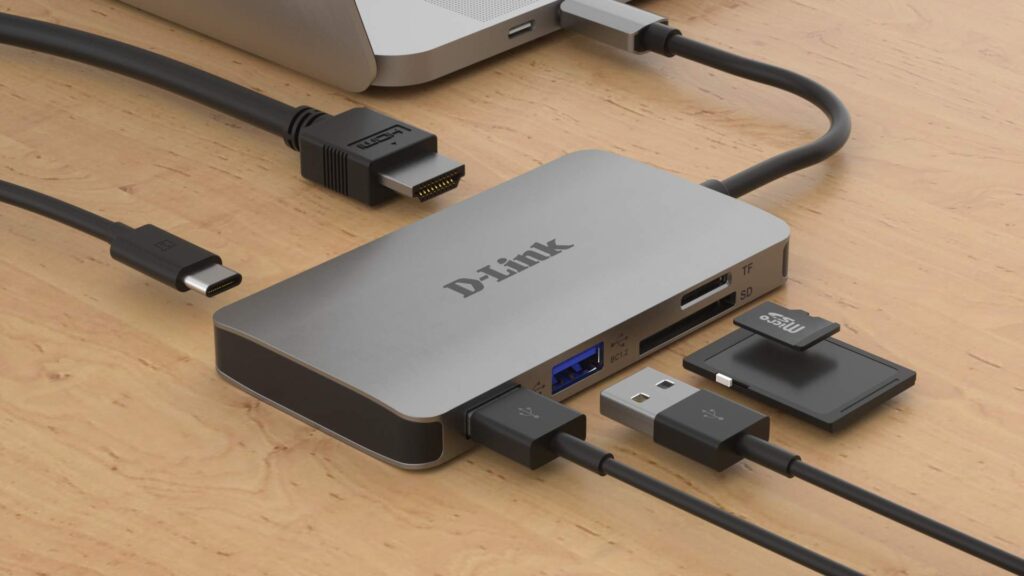
One of the easiest ways to reduce clutter is by choosing gadgets that replace multiple tools. A compact USB-C hub, for example, can eliminate a drawer full of adapters and dongles. Instead of carrying separate cables for HDMI, SD cards, and USB drives, a single, well-designed hub handles everything.
Similarly, a high-quality wireless charging pad can replace multiple charging bricks. Rather than juggling different cables for each device, you place what you need on one surface and move on. Fewer objects, fewer decisions.
Desk Gadgets That Keep Surfaces Clear
For clutter-averse people, desks are sacred. A minimalist desk gadget should disappear visually and functionally. Slim monitor arms free up desk space while improving ergonomics. Low-profile mechanical keyboards reduce hand strain without bulky frames or loud designs. Even something as simple as a vertical laptop stand can reclaim space by storing devices upright instead of spread out.
The key is that these gadgets don’t demand attention. They support your work quietly, without adding visual noise.
Smart Home Gadgets Without the Chaos
Smart home technology often promises simplicity but delivers complexity. Minimalist-friendly smart gadgets focus on automation without constant interaction. A single smart light controller that replaces multiple switches is more effective than a dozen app-controlled bulbs. A compact smart thermostat removes the need for separate sensors, remotes, and displays.
The best smart home gadgets work in the background. Once set up, you should barely think about them — which is exactly what clutter-averse users want.
Portable Gadgets That Reduce Bag Clutter
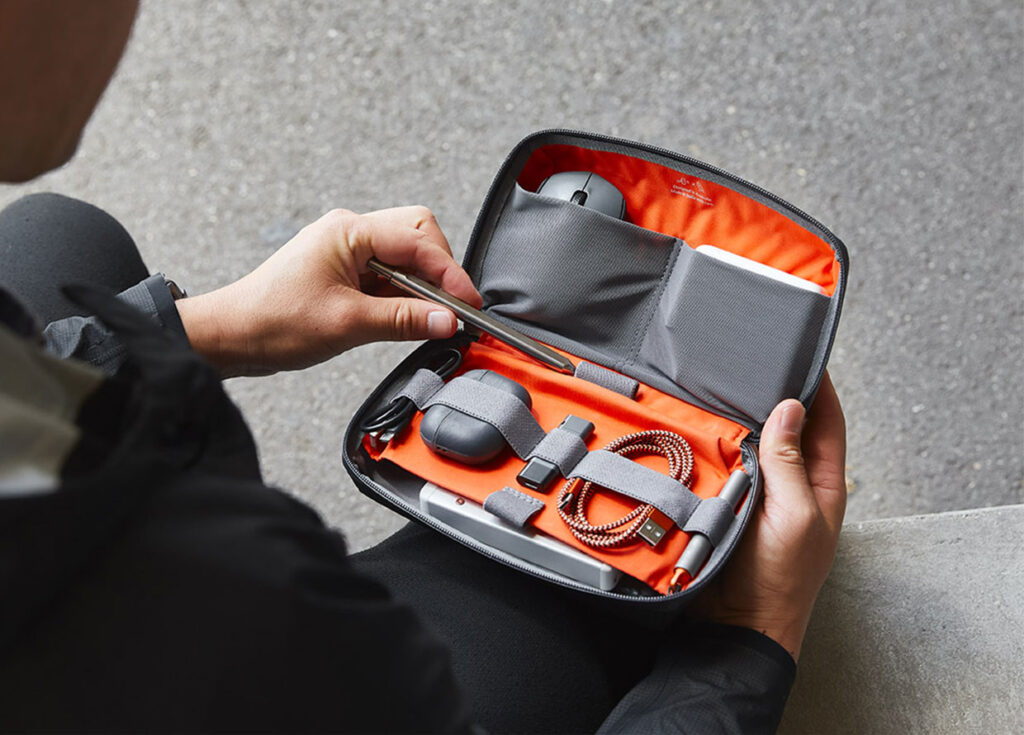
Minimalist gadgets shine when you’re on the move. A slim power bank that charges multiple devices eliminates the need for carrying several chargers. Noise-canceling earbuds that fit into a pocket replace bulky over-ear headphones and separate travel accessories.
Travel-friendly minimalist gadgets focus on weight, size, and versatility. If something can’t justify its place in your bag every day, it probably doesn’t belong there.
Digital Minimalism Matters Too
Physical clutter often mirrors digital clutter. Too many apps, subscriptions, and accounts create the same feeling of overwhelm as a crowded desk. Minimalist gadgets pair well with minimalist software: tools that don’t require accounts, dashboards, or constant updates.
This is why many people gravitate toward simpler file-sharing tools, distraction-free writing devices, and single-purpose apps. The less time you spend managing technology, the more value you get from it.
Choosing Quality Over Quantity
Minimalism is ultimately about restraint. Instead of buying several cheap gadgets, clutter-averse people tend to invest in one high-quality option that lasts. Durable materials, long battery life, and thoughtful design reduce the need for replacements and upgrades.
A well-made gadget that does one thing reliably is far more minimalist than a flashy device with endless features you’ll never use.
How to Decide If a Gadget Belongs in Your Space
Before adding any new gadget, ask a simple question: What does this replace? If the answer is “nothing,” it’s probably adding clutter. Minimalist gadgets earn their place by removing friction, reducing steps, or eliminating other tools entirely.
It also helps to consider how often you’ll use it. Daily-use gadgets deserve more space and investment than novelty items that sit unused after a week.
Minimalism Is About Intentional Technology
Minimalist gadgets aren’t about deprivation; they’re about clarity. They create cleaner spaces, calmer workflows, and fewer decisions throughout the day. For people who hate clutter, the best gadgets are the ones you stop noticing because everything just works.
As technology continues to evolve, minimalism offers a useful filter. Not every new gadget deserves a place in your life — but the right ones can make everything feel lighter.